
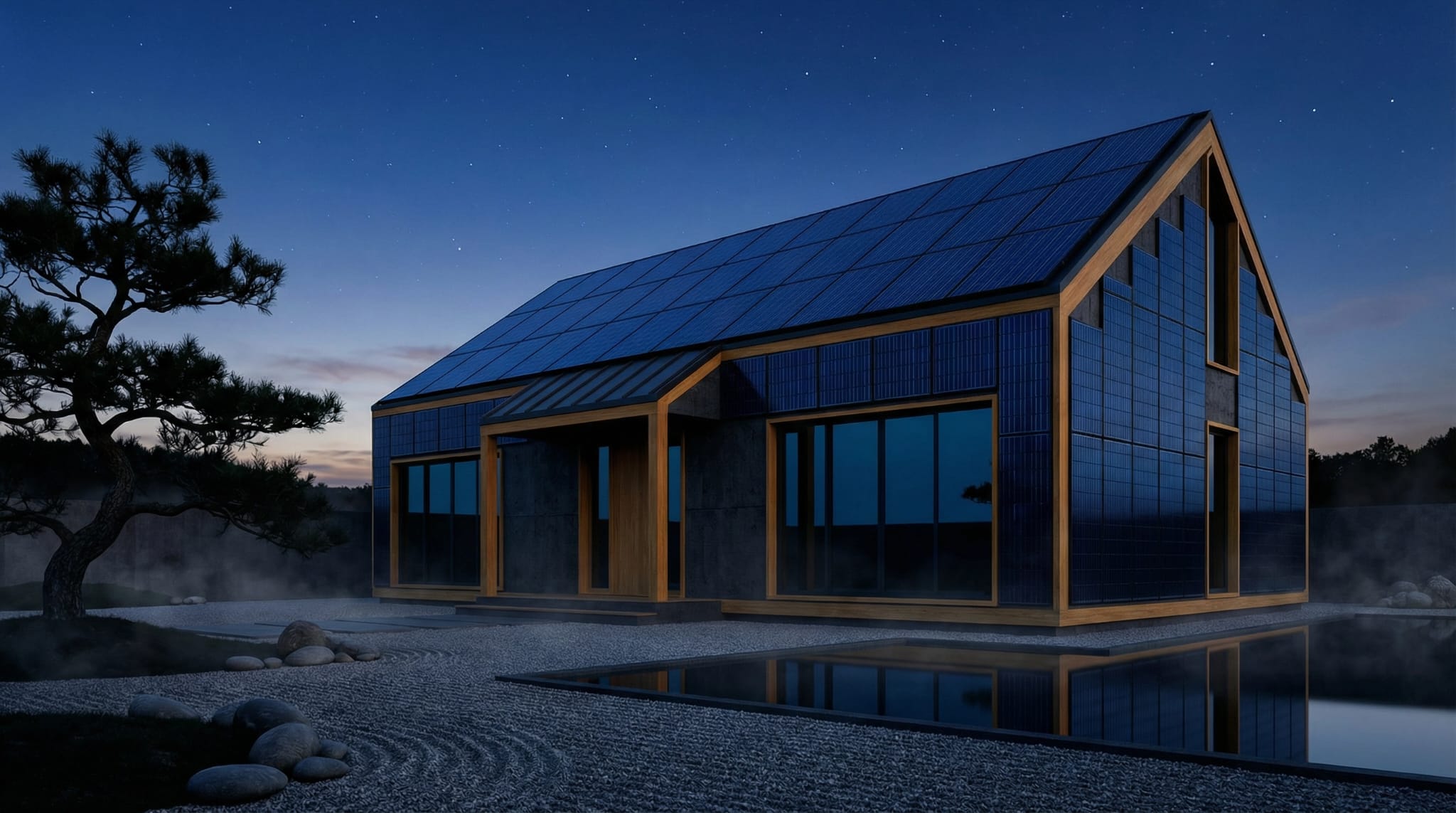
As the UK and Europe push towards ambitious Net Zero targets, the construction industry is undergoing a radical transformation. No longer is energy efficiency just about insulation and double-glazing; it is now about turning the entire building envelope into a power-generating asset. For modern developments, the integration of solar technology is becoming a cornerstone of sustainable design.
Moving Beyond Traditional Solar PV
Traditionally, solar panels were an afterthought—bolted onto roofs as bulky, blue-tinted rectangles. However, the shift towards Building-Integrated Photovoltaics (BIPV) has changed the narrative. By replacing conventional building materials with energy-harvesting components, architects can now maintain aesthetic integrity while maximising energy yield.
-
Solar Glass: Seamlessly integrated into windows and skylights.
-
Active Facades: Vertical surfaces that capture sunlight throughout the day.
-
Seamless Aesthetics: High-end finishes that look like premium cladding but function as power plants.
Future-Proofing Commercial Real Estate
For developers and commercial landlords, solar integration is a strategic move. With rising energy costs and stricter environmental regulations, “green” buildings command higher market values and lower operational overheads. Decarbonising the built environment is not just a moral obligation; it is a financial necessity.
By decentralising energy production, businesses can protect themselves from volatile grid prices and ensure long-term operational resilience.
The Intersection of Design and Sustainability
At its core, the future of architecture lies in the harmony between form and function. Solar technology is no longer a compromise on design—it is a tool that empowers architects to create smarter, more resilient cities. By embracing these innovations today, we are building a foundation for a cleaner, more sustainable tomorrow.