
Self-Powered Commercial Buildings That Generate Their Own Energy
The Lightworks designs commercial buildings that do more than consume electricity. We create intelligent, solar-integrated buildings that generate clean power, store surplus energy, and reduce long-term operating costs.
Building Energy Independence Into Architecture
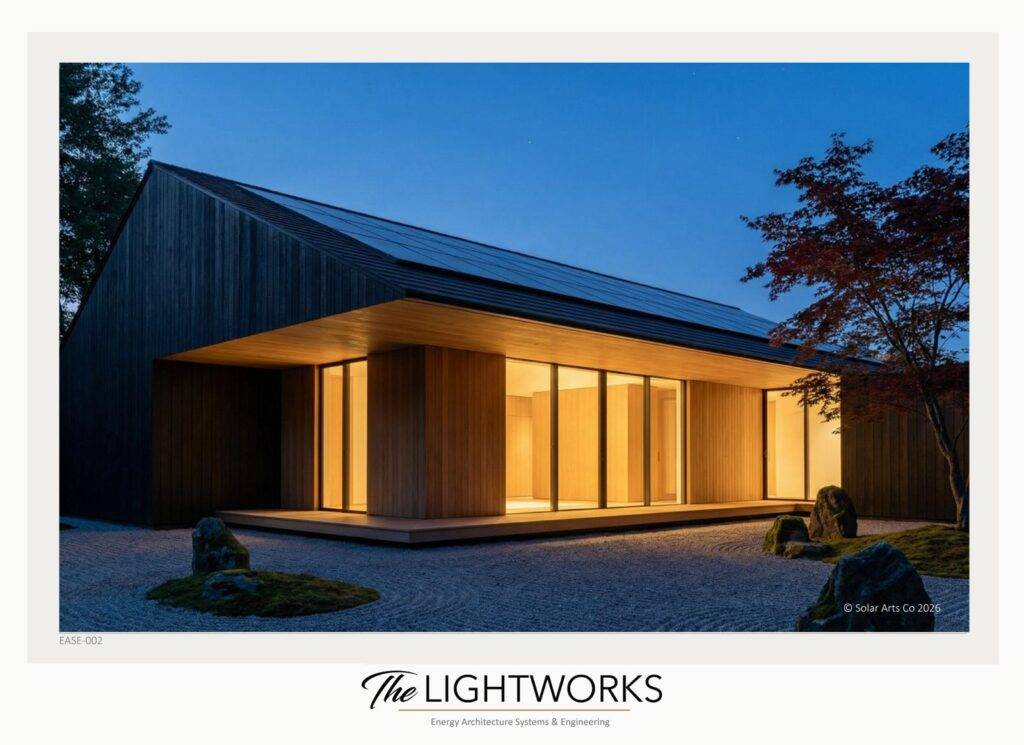
Self-powered commercial buildings are the next step in sustainable architecture. Instead of treating solar as an add-on, The Lightworks integrates renewable energy directly into the building design from the beginning.
Our approach combines architectural design, building-integrated photovoltaics, battery energy storage, and smart energy management systems. This allows commercial buildings to reduce grid dependence, improve resilience, and turn underused building surfaces into productive energy assets.
From offices and retail spaces to industrial facilities and public sector buildings, we help developers and building owners create future-ready properties that are efficient, attractive, and commercially valuable.
Key Benefits
Reduced long-term energy costs
Improved building resilience
Lower carbon emissions
Increased property value
Better energy independence
Scalable design for commercial developments
FAQ: Self-Powered Commercial Buildings
A self-powered commercial building is designed to generate a significant portion of its own electricity through integrated renewable energy systems, usually solar power, supported by battery storage and intelligent energy management.
Yes. With the right building orientation, solar-integrated surfaces, battery storage, and smart energy controls, commercial buildings can generate clean electricity on-site and reduce their dependence on the grid.
Yes. Solar energy systems can work effectively in the UK, especially when designed into the building envelope and supported by battery storage to manage energy use throughout the day.
Property developers, commercial landlords, hotels, industrial operators, schools, public sector organisations, and investors looking to reduce energy costs and improve sustainability should consider this approach.